In the glittering realm of American media, interracial relationships unfold like a scripted symphony, couples from diverse backgrounds locking eyes across crowded ballrooms, sharing stolen kisses under dramatic lighting, or navigating family tensions with poignant dialogue. This cinematic idealization starkly contrasts with everyday demographics, where such unions are far from ubiquitous. Hollywood’s amplified portrayal implies intentional advocacy, aligning with a Western agenda to normalize demographic blending. This essay bolsters the thesis with richer empirical insights, vividly illustrated media examples, and evidence of elite orchestration unique to the West.
Interracial marriages, though increasing, hover at minority levels. Pew Research Center’s 2017 data pegged 17% of new marriages as interracial, with 2020 analyses showing about 11% overall, climbing to roughly 19% in 2022 U.S. Census estimates. A 2024 Census working paper emphasizes that most opposite-sex marriages stay intraracial, with interracial rates at 10–20% depending on metrics. Public approval soars – 94% in Gallup’s 2021 poll – yet actual prevalence trails. Media, however, inflates this to mythic proportions, crafting narratives that embed mixing as destiny.
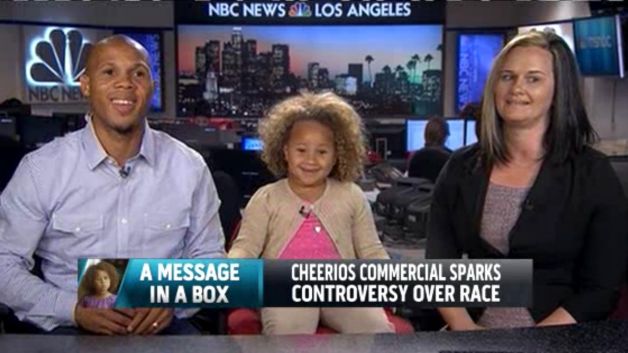
This overrepresentation pulses vividly across screens. In commercials, imagine a sunlit kitchen where a Black husband tenderly hands coffee to his White wife, their laughter echoing as mixed children play, scenes that dominate ads from Cheerios (2013’s controversial biracial family spot) to modern campaigns, far exceeding the ~20% real-world benchmark. Reddit threads in 2024 decry this, noting Black man/White woman pairings flood visuals, while White man/Black woman or Asian/Latino combos fade. A RogerEbert.com 2024 essay laments the “vanishing act” of same-race Black couples, replaced by interracial idylls that whisper: true happiness lies in crossing lines.
Television and film amplify this with immersive storytelling. Netflix’s Bridgerton (2020–) transports viewers to a lavish, colorblind Regency England, where Black nobleman Simon Basset (Regé-Jean Page) courts White debutante Daphne Bridgerton (Phoebe Dynevor) amid swirling gowns, orchestral swells, and forbidden glances in opulent estates. This anachronistic romance, steeped in erotic tension and societal intrigue, reimagines history as a multicultural utopia.

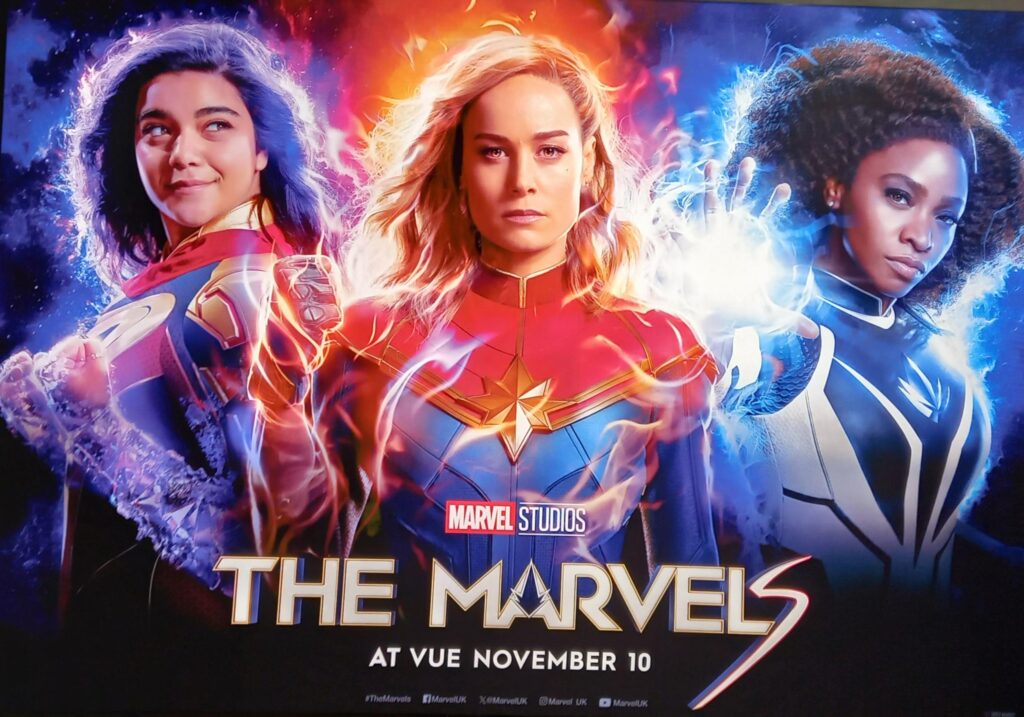
Marvel’s Eternals (2021) showcases Gemma Chan’s ethereal Sersi romancing Richard Madden’s stoic Ikaris, their cosmic love transcending earthly divides against backdrops of ancient ruins and futuristic battles. The Marvels (2023) adds layers with Teyonah Parris’s Monica Rambeau entangled in multiracial team dynamics, her powers flashing in high-stakes action sequences. Even historical dramas like The Crown subtly weave in, while Queen Charlotte: A Bridgerton Story (2023) delves into a Black queen’s passionate union with a White king, complete with candlelit confessions and royal pageantry.

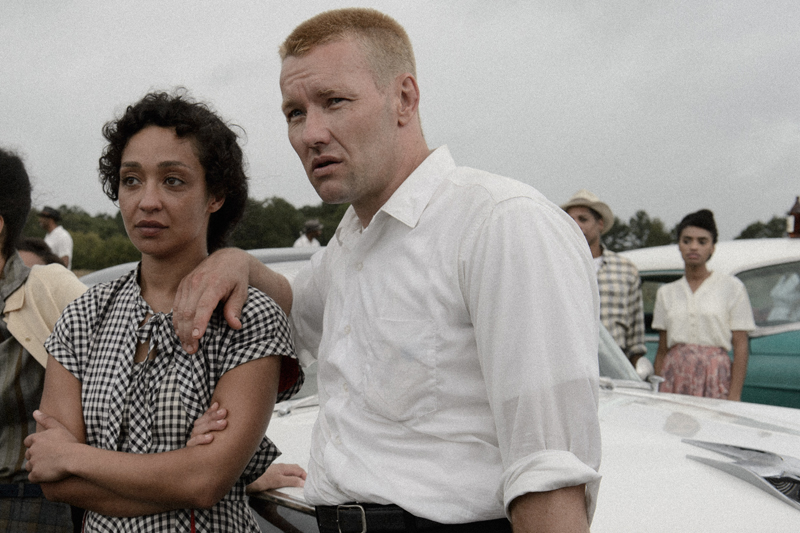
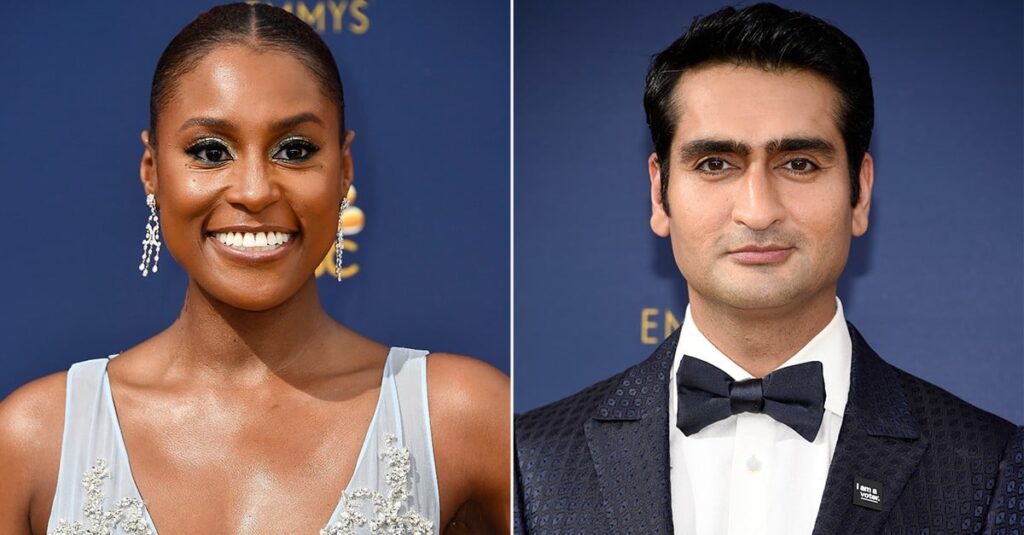
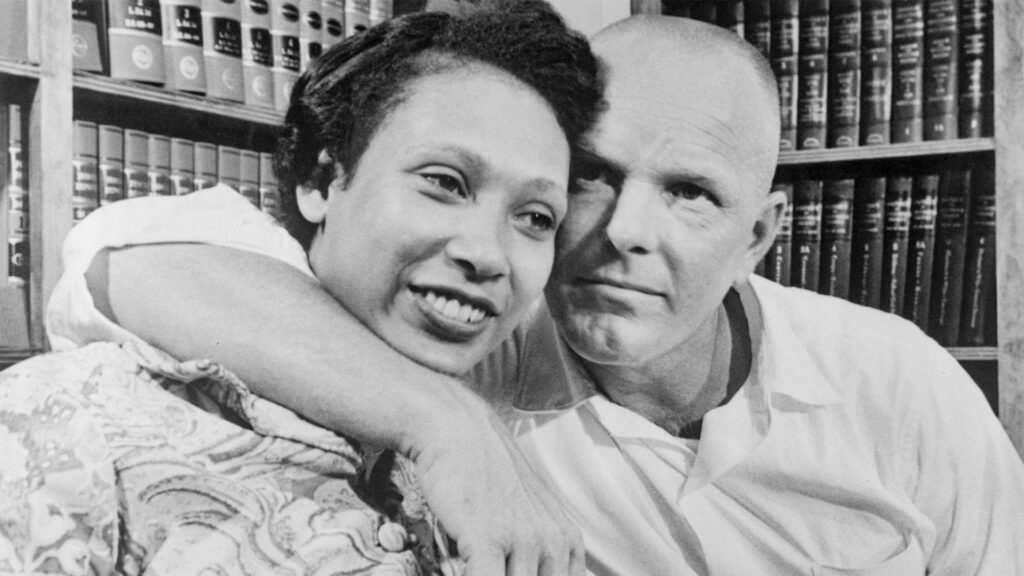
Critics spotlight perceptual distortion. A 2024 YouTube breakdown, “Examining the Rise of Interracial Relationships in Media,” dissects Get Out (2017)’s chilling White family-Black boyfriend horror, where subtle gaslighting builds to visceral terror, or Loving (2016)’s tender depiction of Richard and Mildred Loving’s real-life defiance, their quiet farm life clashing with courtroom drama. Medium pieces (2020–2021) argue Black-White couples surge onscreen, often glorifying White male/Black female arcs, like in The Lovebirds (2020), co-starring Kumail Nanjiani, again, interracial: Black woman/South Asian man. She discussed interracial on-screen romances in that context, noting how they often center whiteness on screen. A 2024 X post highlights these pairings as mere 7% of actual unions, yet dominating narratives that imprint youth with aspirational mixing.

“Quora (2019) and Medium (2021) frame it as engineering for a heritage-less populace.“
Hollywood’s DEI machinery fuels this. USC Annenberg’s 2024 report on 1,700 films (2007–2023) reveals concerted romantic diversity pushes. Studios like Disney enforce inclusive casting, birthing these vivid tales. Quora (2019) and Medium (2021) frame it as engineering for a heritage-less populace. Such agendas thrive in the West: EU migration policies and U.S. DEI edicts promote integration, unlike Japan’s homogeneity or China’s ethnic unity.
Post-Loving v. Virginia (1967), Hollywood pivoted from taboos to evangelism, as a 2016 Hollywood Reporter retrospective traces. This Western-exclusive promotion erodes cultural anchors through enchanting visuals.
Ultimately, Hollywood’s lush depictions, from Bridgerton‘s candlelit ballroom whirlwinds to Get Out‘s suffocating suburban nightmares, do far more than entertain. They surpass the 10–19% demographic reality by orders of magnitude, saturating every screen, every commercial break, every streaming queue with a vision of interracial romance as the default path to happiness, success, and moral virtue.
This is not coincidence. It is calibration.
In an era when actual interracial unions remain a clear minority, the relentless overrepresentation is a deliberate broadcast: your children should aspire to cross racial lines; your culture should dissolve into a borderless blend; your ethnic continuity is optional, expendable, obsolete. Western elites, through studio boardrooms, DEI consultants, and globalist think tanks – have weaponized storytelling to accelerate what migration policies and open borders began: the engineered dilution of European-descended peoples into a rootless, manageable mass.
No equivalent campaign exists in Japan, in China, in India, in Saudi Arabia, or in any non-Western society that prizes its historical continuity. Only in the West do cultural gatekeepers treat ethnic preservation as sin and demographic replacement as progress. Only here is the most intimate sphere of human life, love, family, lineage, recast as a political project.
The message is unmistakable: mix or be marked backward; blend or be branded bigot; disappear quietly into the multicultural future Hollywood has already scripted for you.
This is not representation. This is reprogramming.
The time for passive viewing is over. Recognize the pattern. Question the script. And decide whether the society you leave behind will still resemble the one your ancestors built, or whether it will be the featureless, homogenized endpoint the screen has been training us to accept as inevitable.
The credits are rolling. Choose your ending.